
Vegan Lemon Lilac Cake
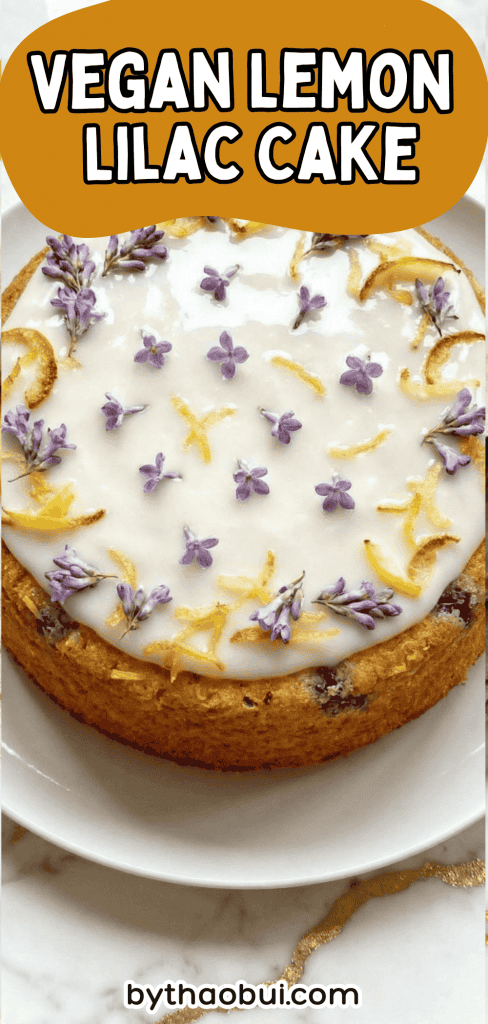
Light, bright, and floral, this Vegan Lemon Lilac Cake is the kind of recipe that feels like spring in every bite.
It’s soft and fluffy, with real lemon juice and edible lilac blossoms that make it super special—without using eggs or dairy.
It looks beautiful, smells amazing, and tastes even better.
Whether you’re baking for a brunch or just want something pretty and delicious, this cake will hit the spot.
Why I Love This Recipe
I first made this cake after a long walk in early spring when I passed by a blooming lilac bush. The smell reminded me of my grandmother’s garden. I went home, looked up if lilacs were edible (they are!), and got to baking. This recipe is fresh, cozy, and a little magical. Here’s why I keep coming back to it:
- The lilac flavor is subtle and floral, never soapy.
- It’s a great way to use fresh lemon in a dessert.
- It doesn’t need any special equipment—just a bowl and a pan.
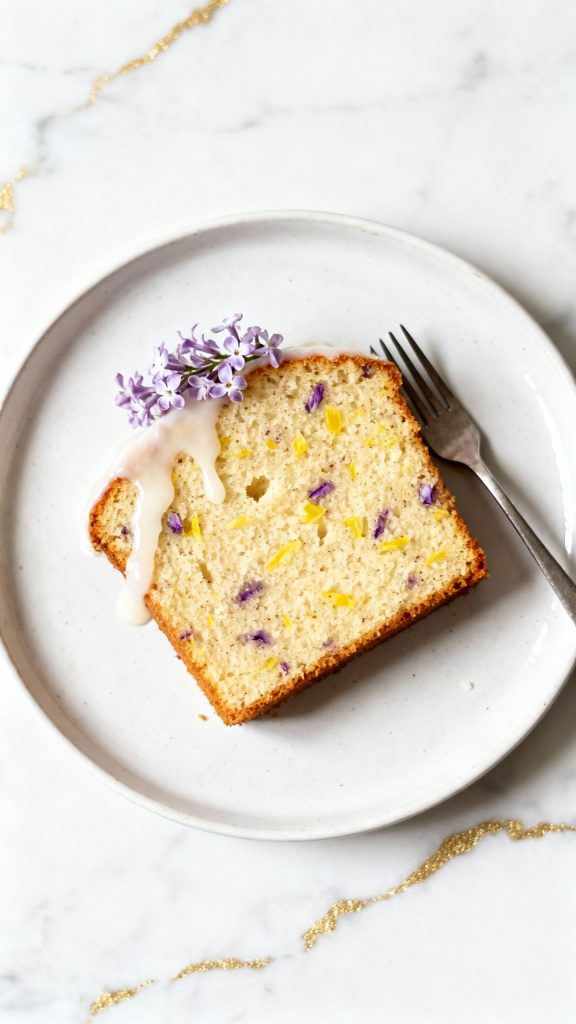
- The texture is super light and moist thanks to the almond milk and oil.
- It’s vegan, but no one ever notices. It just tastes good.
What You’ll Need
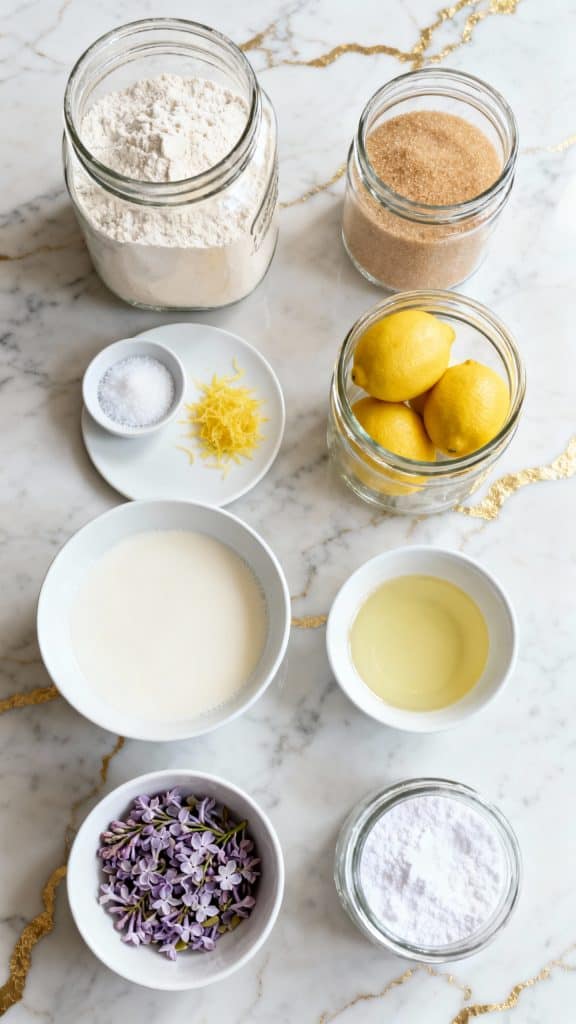
- 1 ½ cups all-purpose flour
- ¾ cup organic cane sugar
- 1 tsp baking soda
- ½ tsp sea salt
- 1 tbsp lemon zest (about 1 lemon)
- ¾ cup unsweetened almond milk
- ¼ cup fresh lemon juice
- ⅓ cup neutral oil (like avocado or canola)
- 1 tsp vanilla extract
- 2 tbsp chopped edible lilac flowers (rinsed and patted dry)
For glaze:
- ¾ cup powdered sugar
- 1–2 tbsp lemon juice
- Extra lilac flowers for garnish (optional)
Pro Tips
- Only use lilacs that are grown organically—no pesticides or sprays.
- Pick the flowers just before baking for max fragrance.
- If you want a stronger lemon taste, double the zest.
- Use parchment paper in the pan for easy cake removal.
- Let the cake cool completely before glazing or the glaze will melt right off.
Tools Required
- Mixing bowl
- Whisk
- Measuring cups and spoons
- 8-inch round cake pan
- Parchment paper
- Citrus zester
- Cooling rack
Substitutions and Variations
- Lilacs: Sub with dried lavender or skip entirely for just lemon cake
- Almond milk: Any plant milk works—soy, oat, or coconut
- Oil: Melted coconut oil works, but it will add flavor
- Flour: Use gluten-free all-purpose blend for GF version
Make Ahead Tips
- Bake the cake a day ahead and glaze the next day
- Store the cooled cake (un-glazed) wrapped at room temp overnight
Full Recipe & Instructions
Servings: 8
Prep Time: 15 minutes
Bake Time: 30 minutes
Total Time: 45 minutes
Step 1: Mix Dry Ingredients
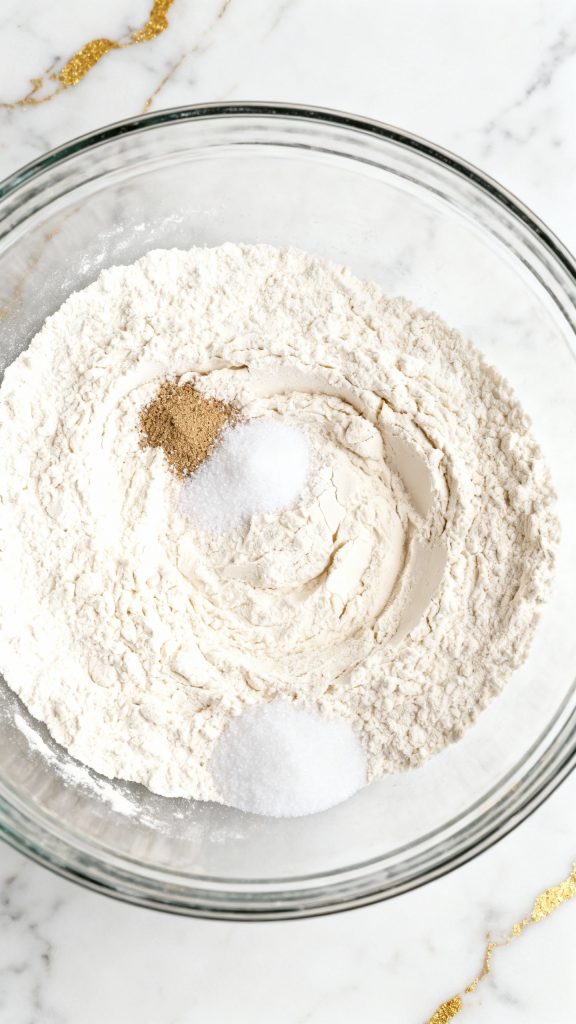
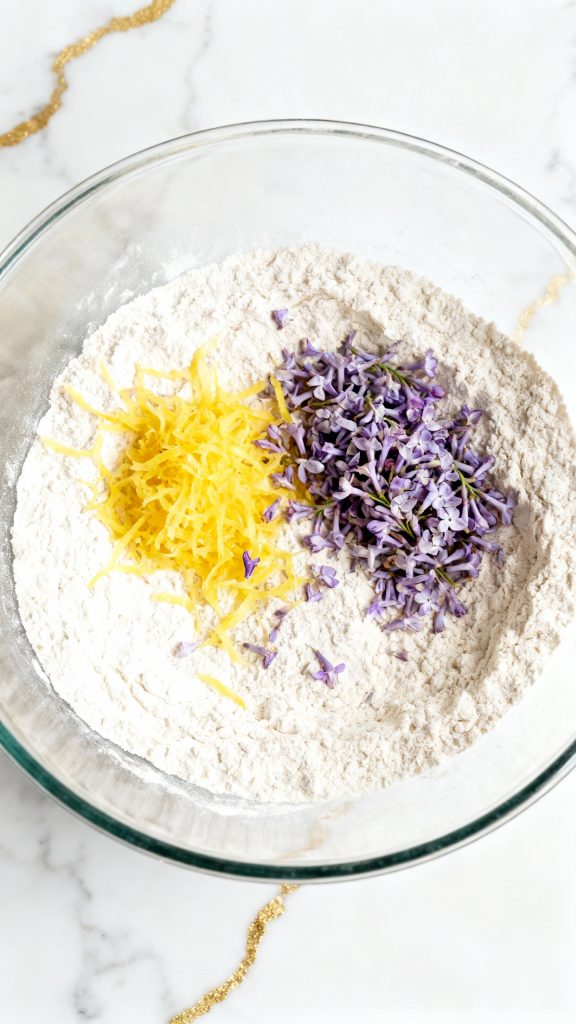
In a large mixing bowl, whisk together 1 ½ cups all-purpose flour, ¾ cup organic cane sugar, 1 tsp baking soda, and ½ tsp sea salt.
Step 2: Add Lemon Zest and Lilacs
Stir in 1 tbsp lemon zest and 2 tbsp chopped lilac flowers into the dry mix.
Step 3: Mix Wet Ingredients
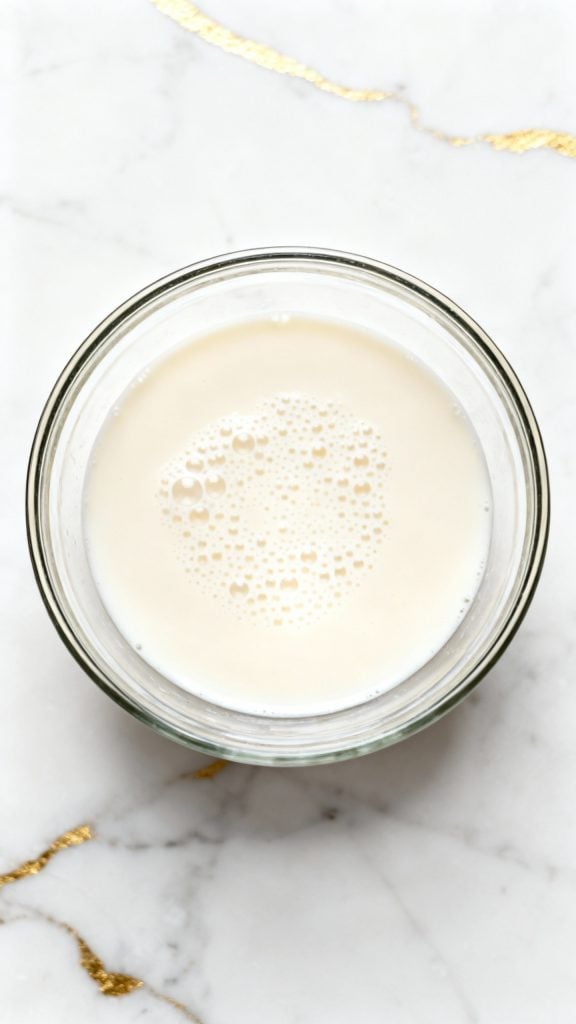
In a smaller bowl, whisk together ¾ cup almond milk, ¼ cup fresh lemon juice, ⅓ cup neutral oil, and 1 tsp vanilla extract until fully combined.
Step 4: Combine Wet and Dry
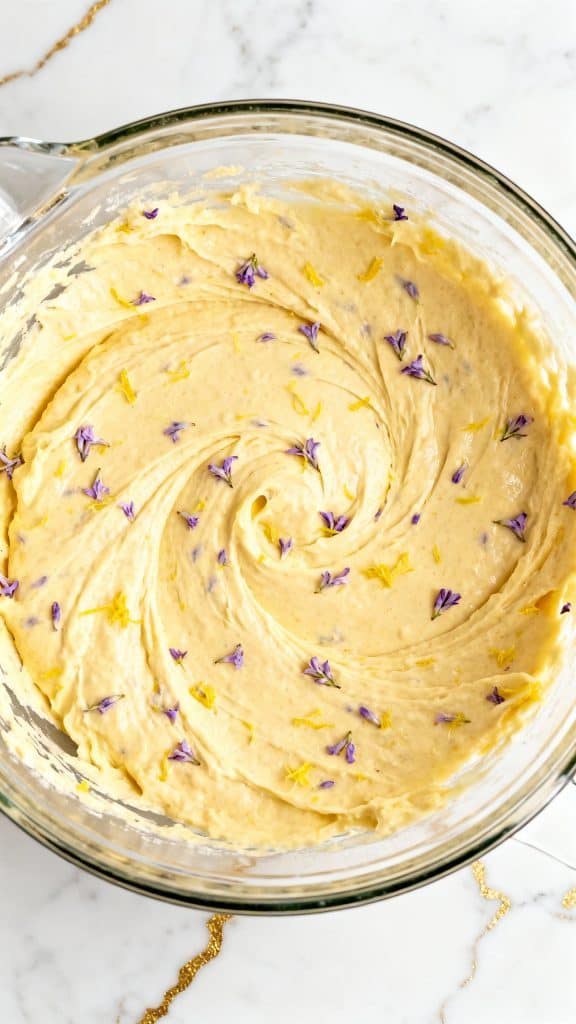
Pour the wet mixture into the dry ingredients. Stir just until no flour streaks remain. Don’t overmix!
Step 5: Pour into Pan and Bake
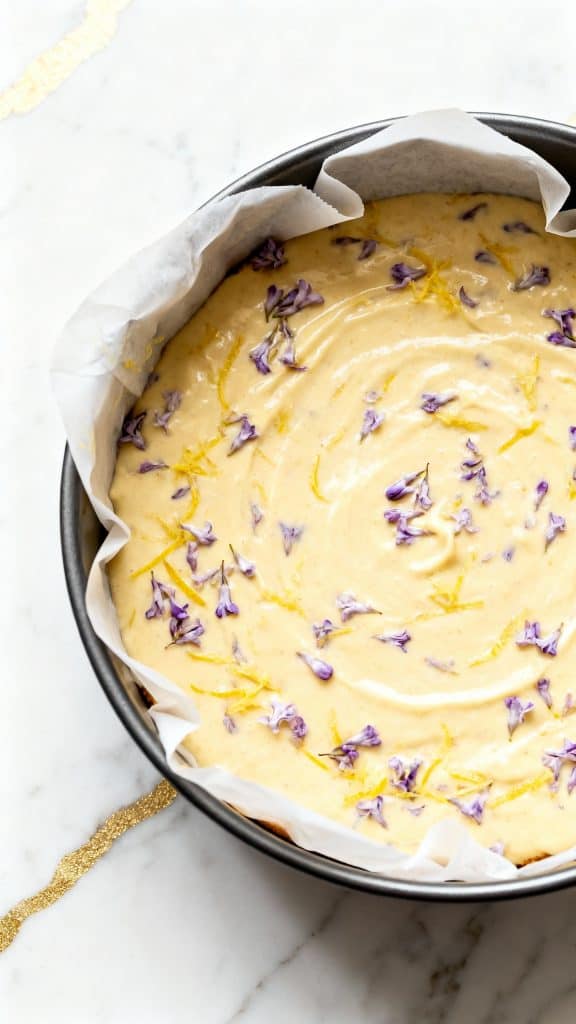
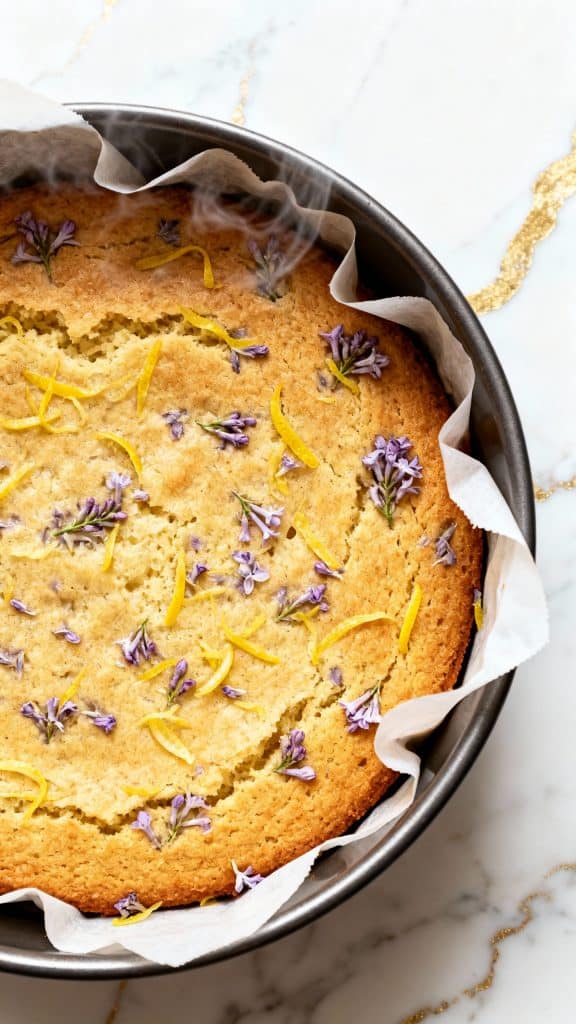
Line an 8-inch round pan with parchment. Pour in the batter and smooth the top. Bake at 350°F (175°C) for 28–30 minutes.
Step 6: Cool the Cake
Let cake rest in pan for 10 minutes, then transfer to a wire rack to cool completely.
Step 7: Make the Glaze
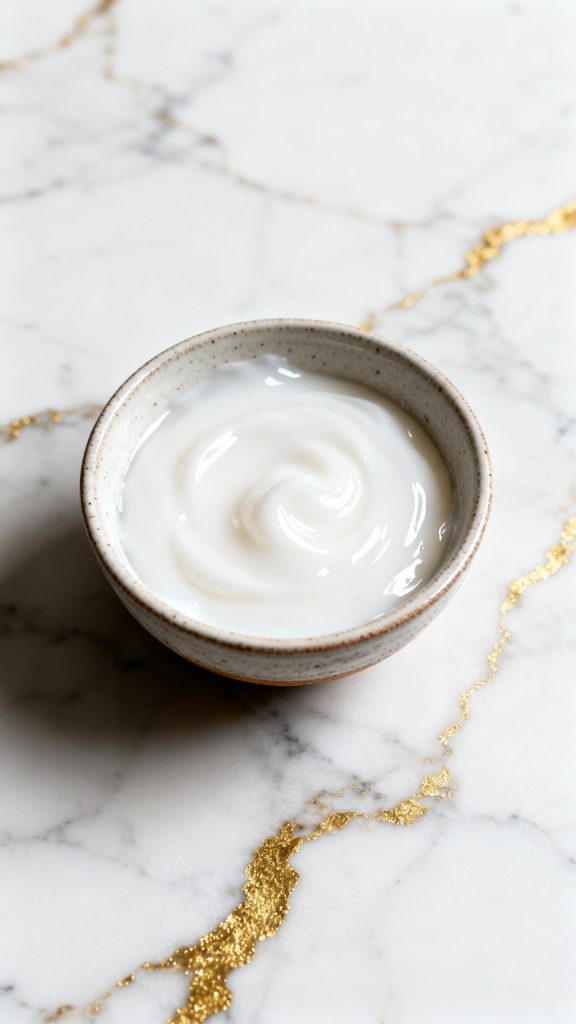
In a small bowl, mix ¾ cup powdered sugar with 1 to 2 tbsp lemon juice until you get a thick but pourable glaze.
Step 8: Glaze and Decorate
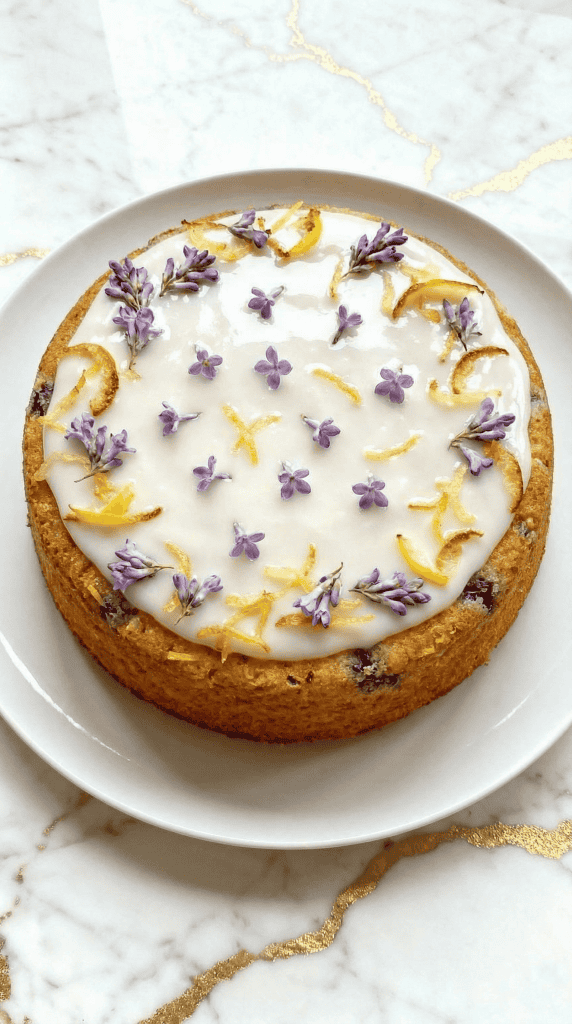
Pour glaze over the fully cooled cake. Let it drip naturally. Sprinkle with extra lilac flowers if desired.
Leftovers and Storage
- Store leftover cake covered at room temp for up to 2 days
- For longer storage, keep in the fridge for 4–5 days
- Bring to room temp before serving again
Macros (Per Serving – Approximate)
- Calories: 230
- Protein: 2g
- Fat: 9g
- Carbs: 36g
- Sugar: 22g
- Fiber: 1g
Why This Recipe Works (Quick Science)
- Lemon Juice + Baking Soda = rise! It creates bubbles for a fluffy cake
- Oil over butter makes a softer crumb in vegan cakes
- Lilac flavor is water-soluble, so it gently steeps into the batter without overpowering
- No eggs needed—the acidity and leavening keep it light and tender
Common Mistakes
- Using too many lilacs can make it taste bitter or soapy
- Overmixing the batter makes the cake dense
- Adding glaze to a warm cake causes it to melt right off
- Not lining the pan makes sticking likely—don’t skip parchment
What to Serve With
- Hot cup of Earl Grey or chamomile tea
- Fresh berries like blueberries or raspberries
- Light lemon sorbet for a super refreshing combo
- Whipped coconut cream
FAQ
Can I use dried lilac flowers?
Fresh lilacs are better for flavor, but you can use food-grade dried ones in a pinch—use less!
Is this recipe gluten-free?
Not by default, but you can use a 1:1 gluten-free baking blend.
What if I don’t have almond milk?
Any non-dairy milk works. Oat milk is great here too.
Can I double the recipe?
Yes—use two 8-inch pans or one 9×13-inch pan, and bake a bit longer.
Final Thoughts
This Vegan Lemon Lilac Cake is one of those “wow” bakes that looks fancy but is easy to pull off. The combo of lemon and lilac feels bright and special. I hope you give this recipe a go and fall in love with the fresh, floral flavor just like I did. Let me know how it turned out for you—drop a comment or any questions below!
