
Orecchiette with Sausage and Broccoli
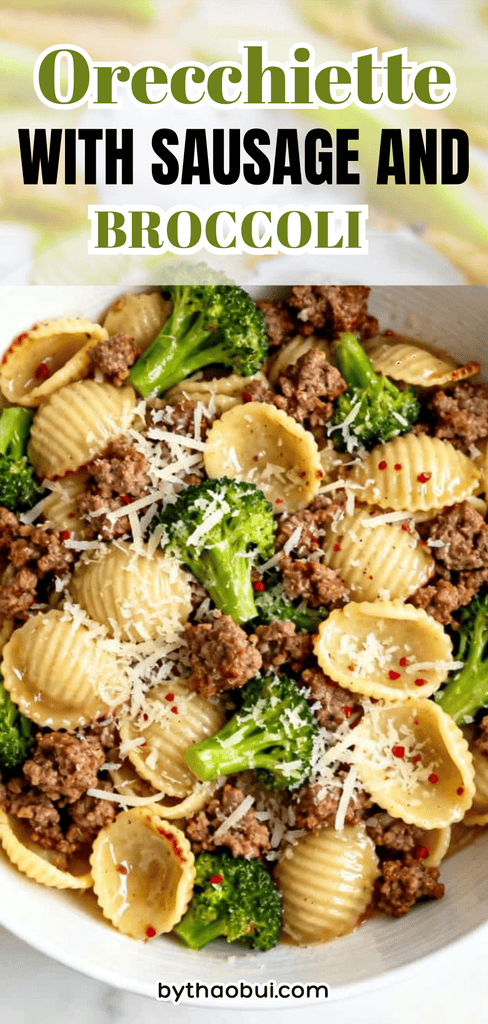
Orecchiette with sausage and broccoli is one of those dinners that feels special but is easy enough for a busy night.
The little pasta cups catch bits of sausage, tender broccoli, garlic, and Parmesan, so every bite has a little of everything.
It is warm, savory, cheesy, and ready in about 30 minutes.
Why I Love This Recipe
I first fell for this kind of pasta because of how much flavor you can get from a short ingredient list. Sausage does a lot of the work. As it browns, it leaves tasty bits and seasoned fat in the pan. Then the broccoli and garlic pick up all that flavor.
Orecchiette is also perfect here. Its name means “little ears,” and those small cup shapes grab the crumbled sausage and Parmesan. Instead of all the good stuff falling to the bottom of the bowl, you get some in almost every forkful.
Here are a few more reasons I keep this recipe around:
- It takes about 30 minutes from start to finish.
- Everything comes together with simple grocery-store ingredients.
- The broccoli cooks right in the pasta water, so there is less cleanup.
- Sausage gives the sauce lots of flavor without hours of cooking.
- Parmesan and pasta water make the dish creamy without heavy cream.
- Lemon at the end keeps the rich sausage from feeling too heavy.
Recipe at a Glance
- Servings: 6
- Prep time: 10 minutes
- Cook time: 20 minutes
- Total time: About 30 minutes
What You’ll Need
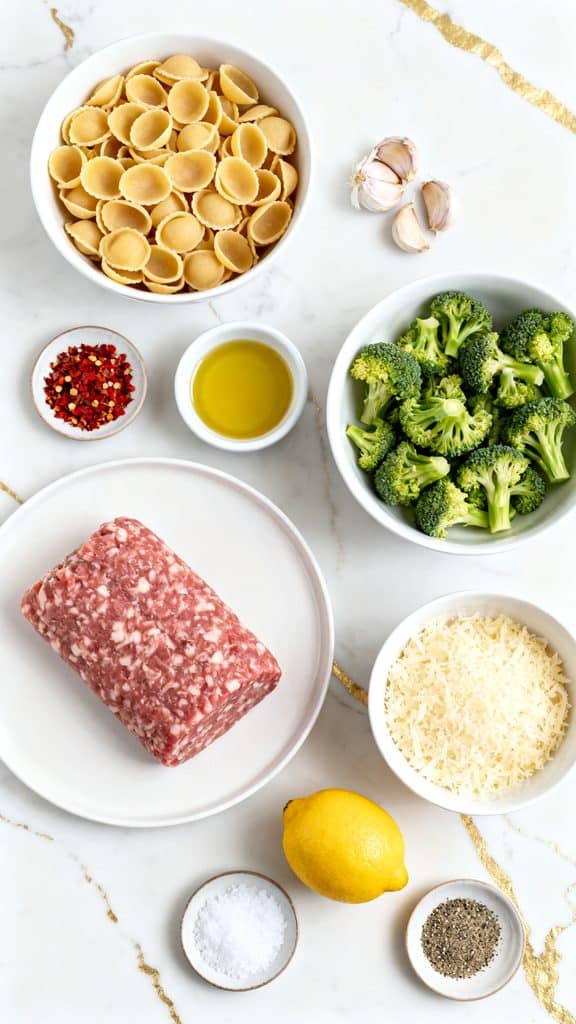
- 12 oz orecchiette pasta
- 1 lb mild or hot Italian sausage, casings removed if needed
- 12 oz broccoli florets, cut into small bite-size pieces
- 3 cloves garlic, minced
- 2 tablespoons extra-virgin olive oil, divided
- 1/2 teaspoon red pepper flakes
- 1/2 cup finely grated Parmesan cheese, plus more for serving
- 1 tablespoon fresh lemon juice
- 1 teaspoon kosher salt for the pasta water, plus more to taste
- 1/4 teaspoon freshly ground black pepper
- 1 cup reserved pasta water, as needed
Tools You’ll Need
- Large pot
- Large deep skillet
- Colander
- Wooden spoon
- Slotted spoon
- Chef’s knife
- Cutting board
- Measuring cups
- Measuring spoons
- Cheese grater
- Citrus juicer or small reamer
- Heat-safe measuring cup
- Serving spoon
How to Make Orecchiette with Sausage and Broccoli
Step 1: Get the Pasta Water Going
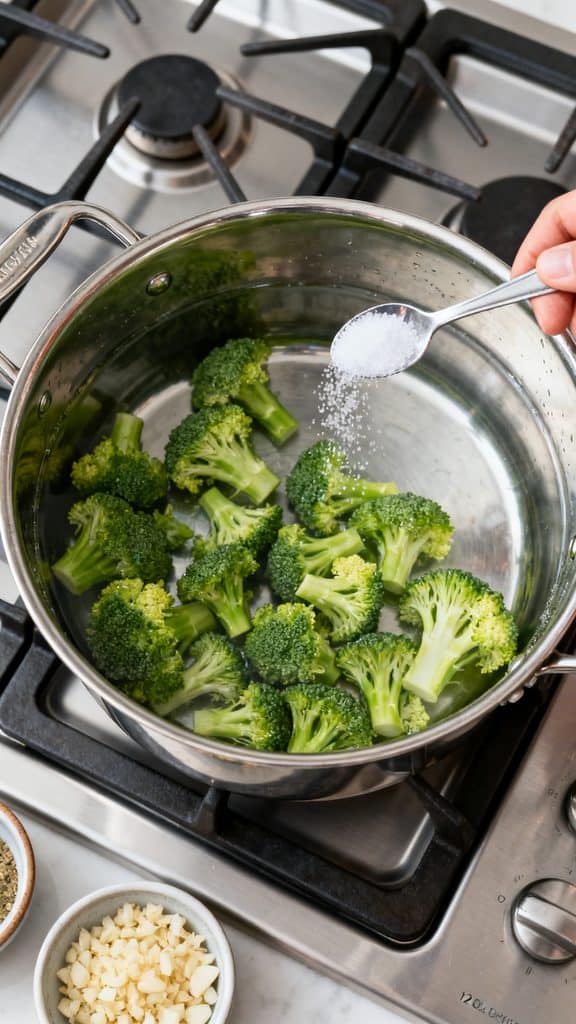
Fill a large pot with water and bring it to a boil. Add 1 teaspoon kosher salt. While the water heats, make sure your 12 oz broccoli florets are cut into small bite-size pieces and your 3 garlic cloves are minced. This gets the quick prep out of the way before cooking moves fast.
Step 2: Brown the Sausage
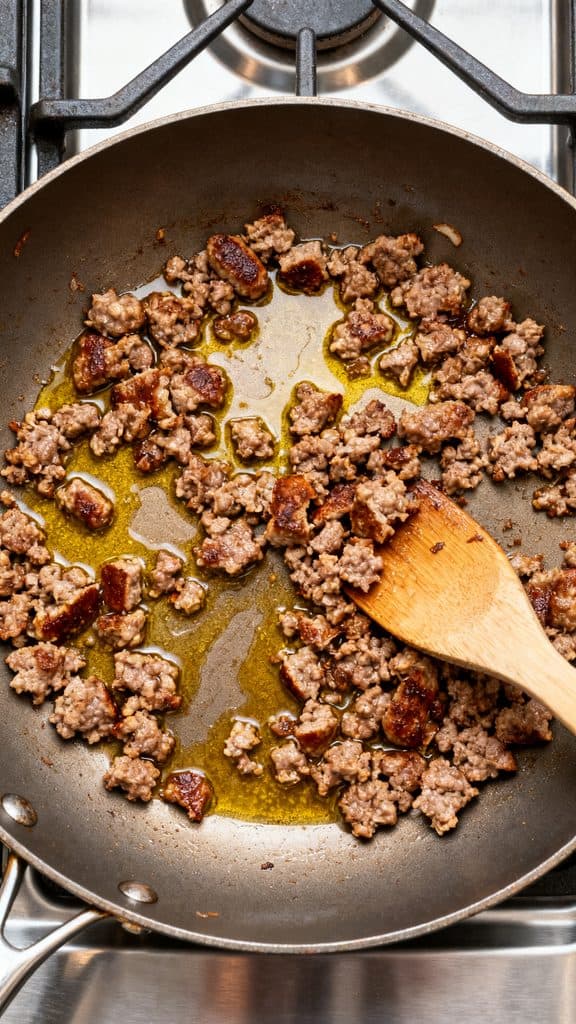
Heat a large deep skillet over medium-high heat. Add 1 tablespoon extra-virgin olive oil and 1 lb Italian sausage with the casings removed. Break the sausage into small bite-size crumbles with a wooden spoon. Cook for about 6 to 8 minutes, until browned and fully cooked. Use a slotted spoon to move the browned sausage to a plate, leaving the flavorful drippings in the skillet.
Step 3: Cook the Pasta and Broccoli
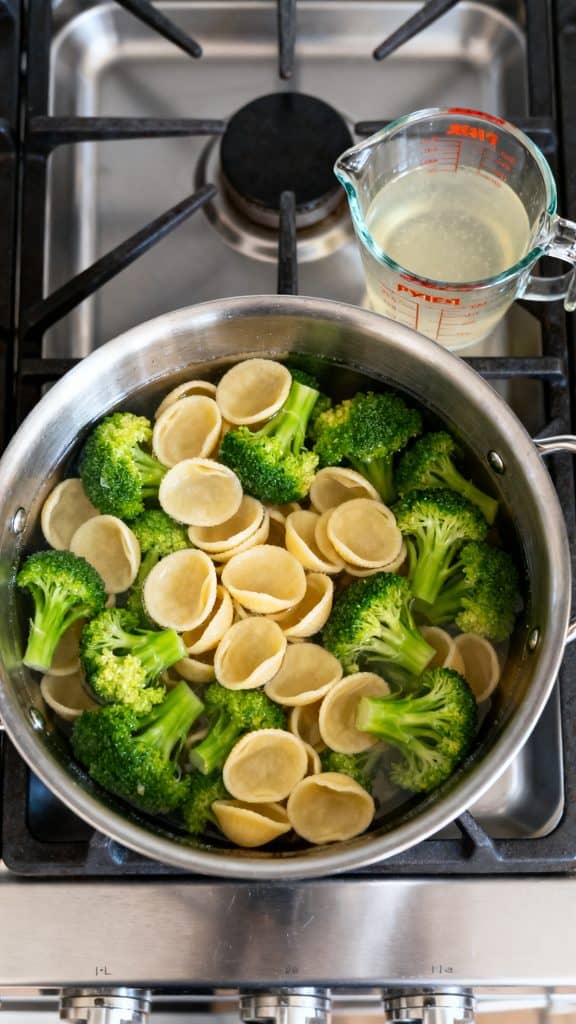
Add 12 oz orecchiette to the boiling salted water. Cook according to the package directions until almost al dente. When the pasta has about 3 minutes left, add the 12 oz bite-size broccoli florets to the same pot.
Before draining, carefully scoop out 1 cup pasta water with a heat-safe measuring cup. Drain the cooked orecchiette and tender broccoli together.
Step 4: Cook the Garlic and Pepper Flakes
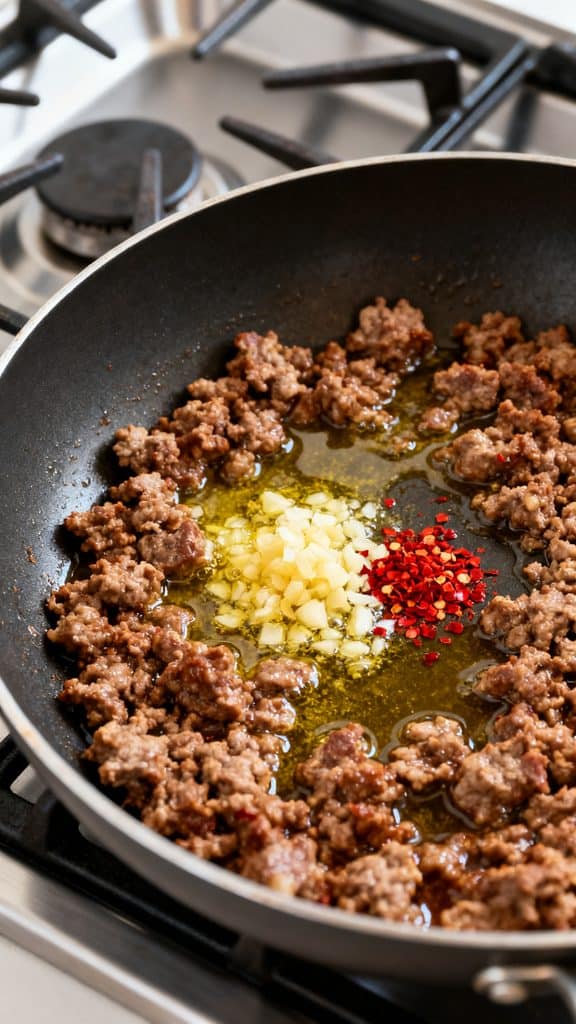
Return the sausage skillet to medium-low heat. Add the remaining 1 tablespoon extra-virgin olive oil, 3 minced garlic cloves, and 1/2 teaspoon red pepper flakes to the sausage drippings. Stir for about 30 to 60 seconds. The garlic should smell good but should not turn dark brown.
Step 5: Bring Everything Together
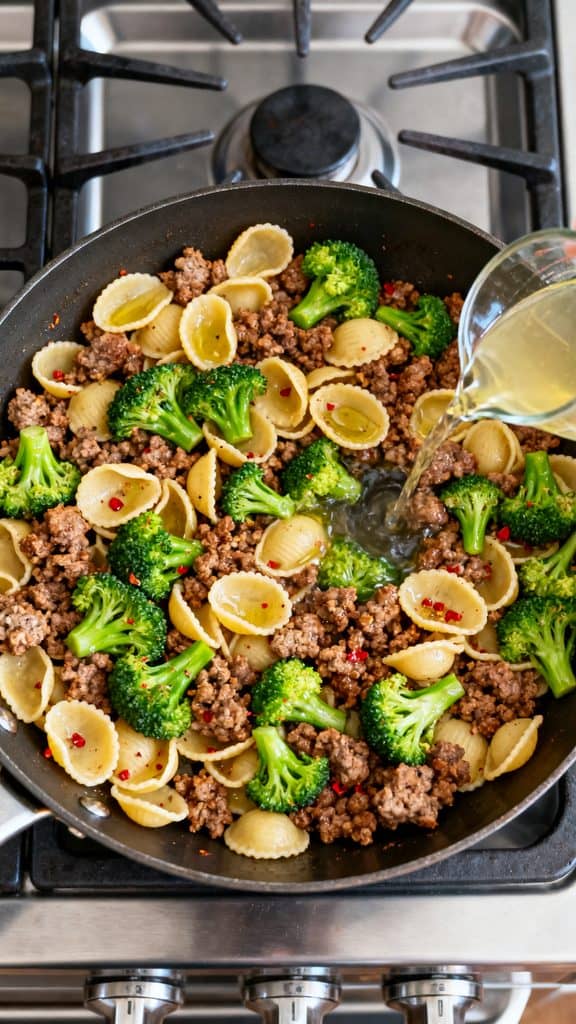
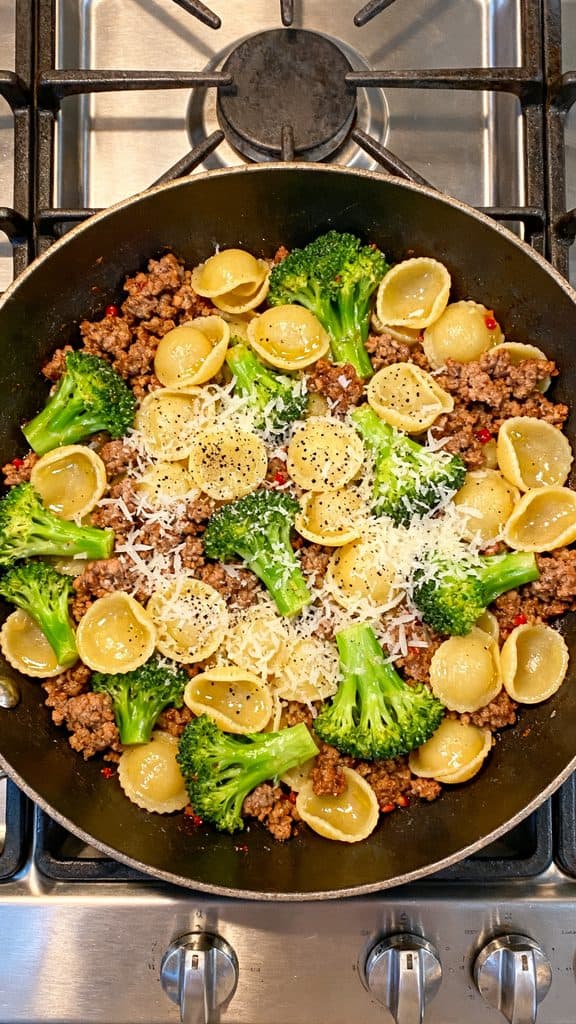
Add the cooked 12 oz orecchiette, cooked 12 oz broccoli, and browned 1 lb Italian sausage to the skillet. Start by pouring in 1/2 cup of the reserved pasta water. Toss everything over medium-low heat for 1 to 2 minutes.
Add more of the remaining 1/2 cup reserved pasta water a little at a time only if the pasta looks dry. You may not need all of it.
Step 6: Add the Parmesan and Lemon
Turn the heat to low. Sprinkle in 1/2 cup finely grated Parmesan cheese while tossing the pasta. Add 1 tablespoon fresh lemon juice and 1/4 teaspoon freshly ground black pepper.
Taste the pasta. Add more kosher salt only if needed. Toss until the Parmesan and starchy pasta water form a light, glossy coating instead of a thick cheese sauce.
Step 7: Serve
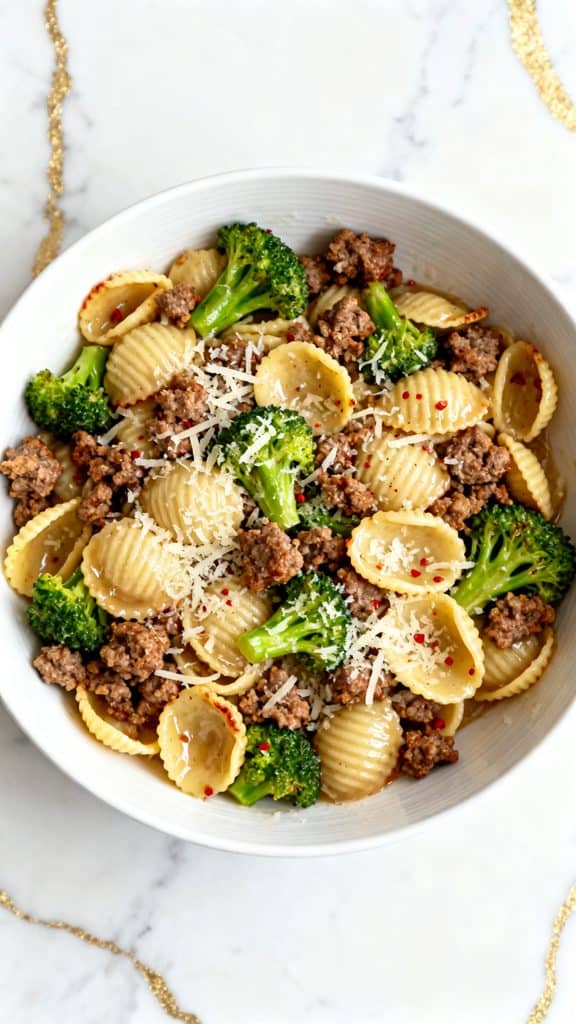
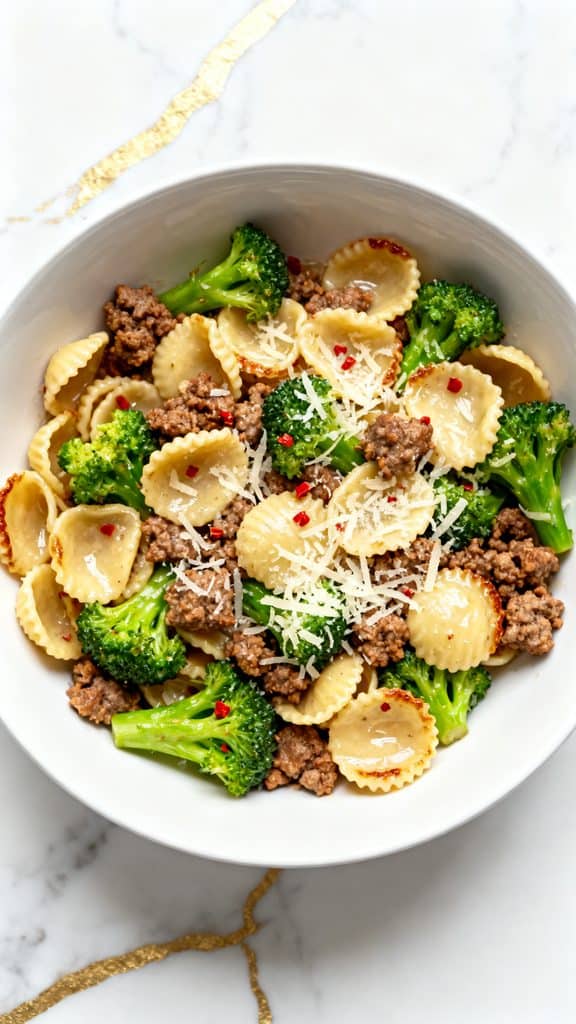
Spoon the hot pasta into a round serving bowl. Finish with a little extra grated Parmesan. Serve right away while everything is hot and glossy.
Why This Recipe Works (Quick Science)
Pasta water makes the sauce silky. The water turns cloudy as the pasta cooks because it picks up starch. That starch helps the sausage drippings, olive oil, and Parmesan cling to the pasta.
Orecchiette holds the good stuff. The small cup shape catches tiny pieces of sausage, broccoli, and cheese.
Browning builds flavor. Cooking the sausage until it develops brown edges creates deeper, richer flavors than simply warming it through.
Broccoli shares the pasta pot. Adding it during the last few minutes cooks it quickly while keeping its fresh color and saving an extra pan.
Lemon balances the sausage. A small amount of acid cuts through rich sausage and Parmesan and makes the whole dish taste brighter.
Pro Tips
- Cut the broccoli small. Bite-size florets mix into the orecchiette much better than big pieces.
- Don’t forget the pasta water. Scoop it out before you drain the pasta.
- Grate Parmesan finely so it melts quickly and evenly.
- Keep the heat low when adding Parmesan. Very high heat can make the cheese clump instead of creating a smooth coating.
- For a milder meal, use mild Italian sausage and reduce the red pepper flakes to 1/4 teaspoon.
Substitutions and Variations
- Pasta: Small shells, cavatelli, or medium shells can replace orecchiette.
- Sausage: Try sweet Italian sausage, spicy Italian sausage, chicken sausage, or turkey sausage.
- Broccoli: Broccolini works well. Chop the stems into small pieces so they cook evenly.
- Parmesan: Pecorino Romano gives the pasta a sharper, saltier flavor.
- More vegetables: Add a few handfuls of baby spinach at the end and toss until wilted.
- More heat: Increase the red pepper flakes to 3/4 teaspoon.
- Less heat: Leave the red pepper flakes out completely.
Common Mistakes
- Overcooking the pasta: Stop when the orecchiette is al dente. It cooks a little more when tossed in the skillet.
- Burning the garlic: Garlic needs only 30 to 60 seconds. Dark garlic can taste bitter.
- Throwing away the pasta water: That starchy water is an important part of the sauce.
- Adding all the pasta water at once: Start with 1/2 cup. Add more only when needed.
- Using Parmesan over high heat: Lower heat helps the cheese melt into the sauce instead of becoming stringy or clumpy.
- Adding too much salt early: Sausage and Parmesan are already salty, so taste before adding extra salt at the end.
Make-Ahead Tips
You can cut the broccoli, mince the garlic, and grate the Parmesan up to 1 day ahead. Keep each item covered in the refrigerator.
The whole dish is best freshly cooked because the pasta continues to soak up sauce as it sits. If you need to cook it ahead, save a little extra pasta water to loosen it before serving.
What to Serve With
This pasta is filling enough to be dinner on its own, but a simple side works nicely.
- Garlic bread
- Warm crusty bread
- Simple green salad with lemon vinaigrette
- Tomato and cucumber salad
- Roasted asparagus
- Caesar salad
Macros Information
Approximate nutrition per serving when the recipe is divided into 6 servings:
- Calories: 490
- Protein: 23 g
- Carbohydrates: 51 g
- Fat: 22 g
- Fiber: 5 g
These are estimates. The exact numbers will change based on the sausage, Parmesan, pasta brand, and amount of oil that ends up in each serving.
Leftovers and Storage
Keep leftovers in an airtight container in the refrigerator for up to 3 to 4 days.
The pasta will soak up some sauce as it sits. When reheating it in a skillet, add a small splash of water and heat gently until hot. You can also microwave individual portions with a spoonful of water mixed in.
Add fresh Parmesan and a small squeeze of lemon after reheating to wake the flavors back up.
FAQ
Q: Can I use frozen broccoli?
A: Yes. Add frozen broccoli near the end of the pasta cooking time. It may need only 2 to 3 minutes, depending on the size of the florets.
Q: Is orecchiette necessary?
A: No. Small shells are a great substitute because they also catch the sausage and sauce.
Q: Can I leave out the red pepper flakes?
A: Yes. They add warmth, but the recipe still has plenty of flavor without them.
Q: Why is my Parmesan clumping?
A: The skillet may be too hot. Turn the heat to low before adding the cheese, then toss it with the pasta and starchy pasta water.
Q: What if my pasta looks dry?
A: Add more reserved pasta water a tablespoon or two at a time and toss. It should become glossy without turning watery.
Q: Can I use pre-grated Parmesan?
A: You can, but freshly grated Parmesan usually melts more smoothly. Some packaged grated cheeses contain ingredients that keep the shreds from sticking together, which can also make them harder to melt.
Final Thoughts
Orecchiette with sausage and broccoli is simple comfort food with just enough freshness to keep you coming back for another bite. The browned sausage brings big flavor, the broccoli makes it hearty, and the little pasta cups catch that garlicky Parmesan goodness.
Give it a try the next time you need an easy 30-minute dinner. If you make it, leave a comment and share how yours turned out, any changes you made, or any questions you have.
