
Italian Penicillin Soup: Cozy Pastina Soup With Parmesan and Vegetab
Italian Penicillin Soup is the kind of soup you want when the day feels long or the weather turns cold.
It has a rich chicken broth, tender little pasta, and vegetables that get blended right into the soup.
Parmesan makes it creamy and savory without needing heavy cream.
It is simple, cozy, and very easy to make at home.
Recipe at a Glance
- Servings: 6
- Prep time: 15 minutes
- Cook time: 35 minutes
- Total time: 50 minutes
- Difficulty: Easy
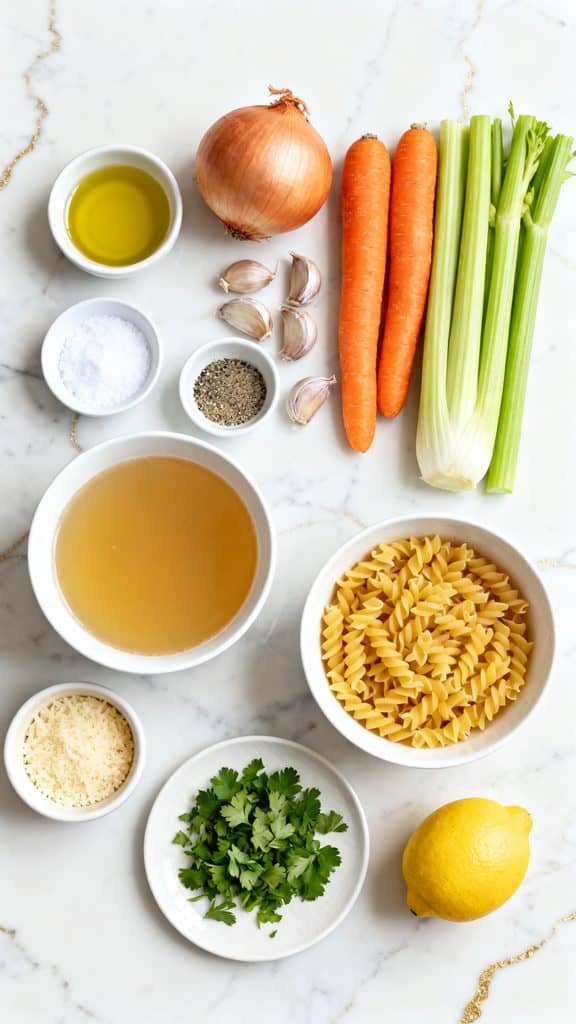
What You’ll Need
- 2 tablespoons extra-virgin olive oil
- 1 medium onion, roughly chopped, about 1 cup
- 3 medium carrots, peeled and roughly chopped, about 1 1/2 cups
- 3 celery stalks, roughly chopped, about 1 cup
- 4 garlic cloves, peeled and smashed
- 8 cups low-sodium chicken broth
- 1 teaspoon kosher salt, plus more to taste
- 1/2 teaspoon black pepper
- 1 cup dry pastina
- 3/4 cup finely grated Parmesan cheese
- 2 tablespoons chopped fresh parsley
- 1 tablespoon fresh lemon juice
How to Make Italian Penicillin Soup
Step 1: Soften the Vegetables
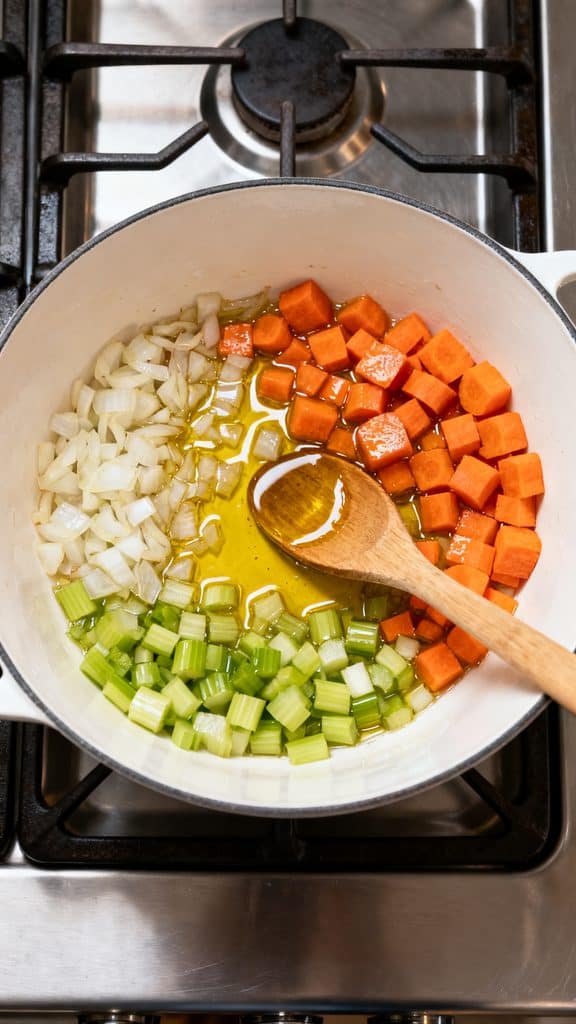
Heat 2 tablespoons extra-virgin olive oil in a large Dutch oven over medium heat. Add 1 cup roughly chopped onion, 1 1/2 cups roughly chopped carrots, and 1 cup roughly chopped celery. Cook for 6 to 8 minutes, stirring now and then. The onion should soften, but the vegetables do not need to brown.
Step 2: Add the Garlic and Broth
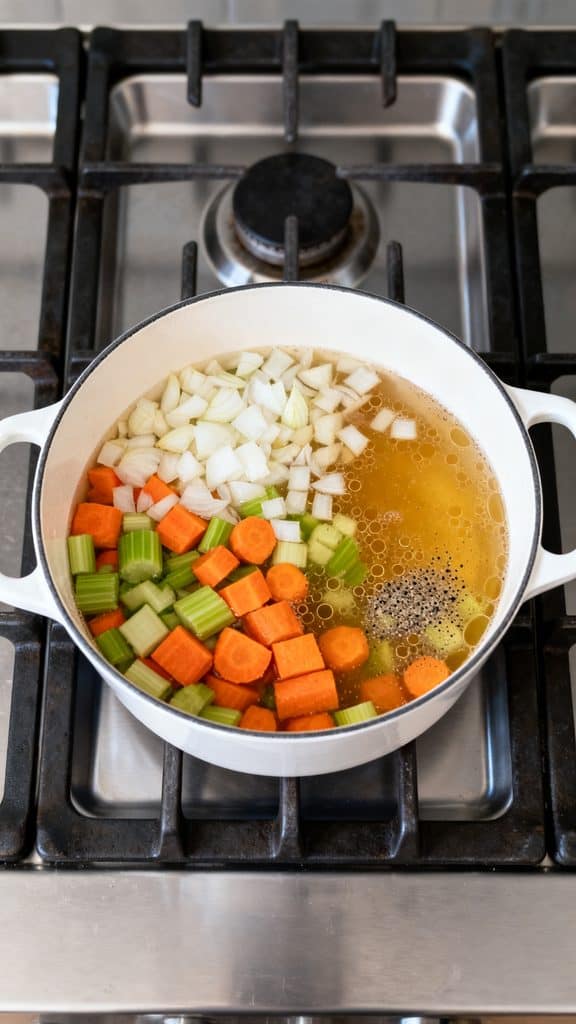
Add 4 peeled and smashed garlic cloves and cook for 30 seconds. Pour in 8 cups low-sodium chicken broth. Stir in 1 teaspoon kosher salt and 1/2 teaspoon black pepper. Bring the soup to a gentle boil, then lower the heat and simmer uncovered for 15 to 18 minutes. The carrots should be very tender.
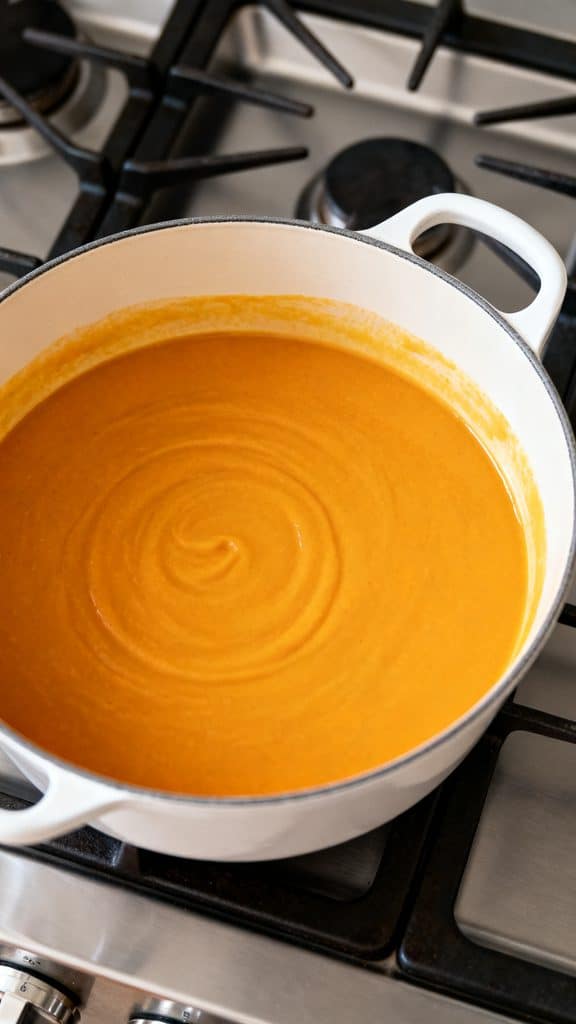
Step 3: Blend the Vegetables
Turn off the heat. Use an immersion blender to carefully blend the vegetables into the broth until smooth. Keep the blender head under the liquid so hot soup does not splash.
Step 4: Cook the Pastina
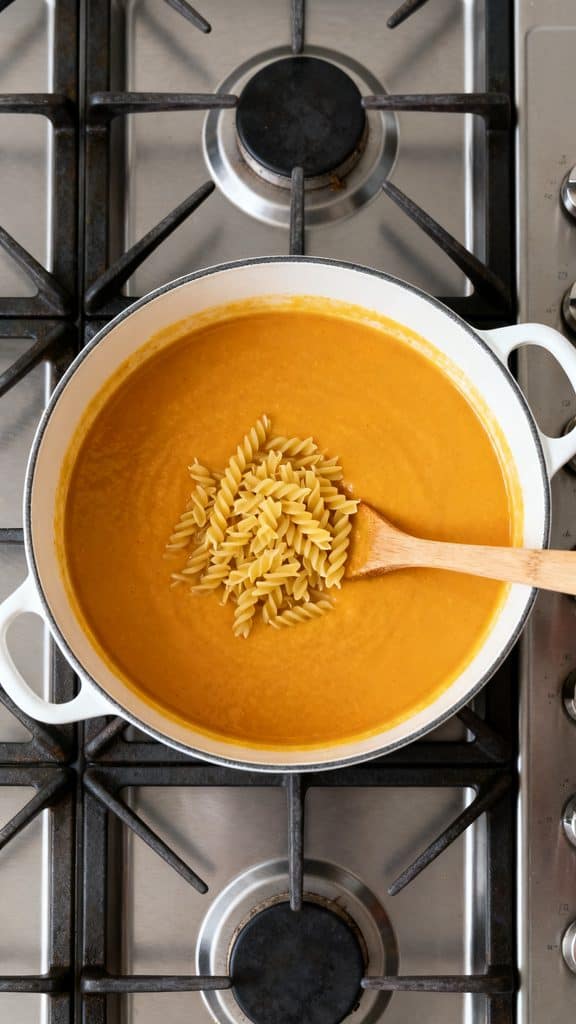
Put the pot back over medium heat and bring the blended soup to a gentle simmer. Stir in 1 cup dry pastina. Cook according to the pasta package, usually about 5 to 8 minutes, stirring often so the tiny pasta does not stick to the bottom. The pastina should be tender.
Step 5: Finish the Soup
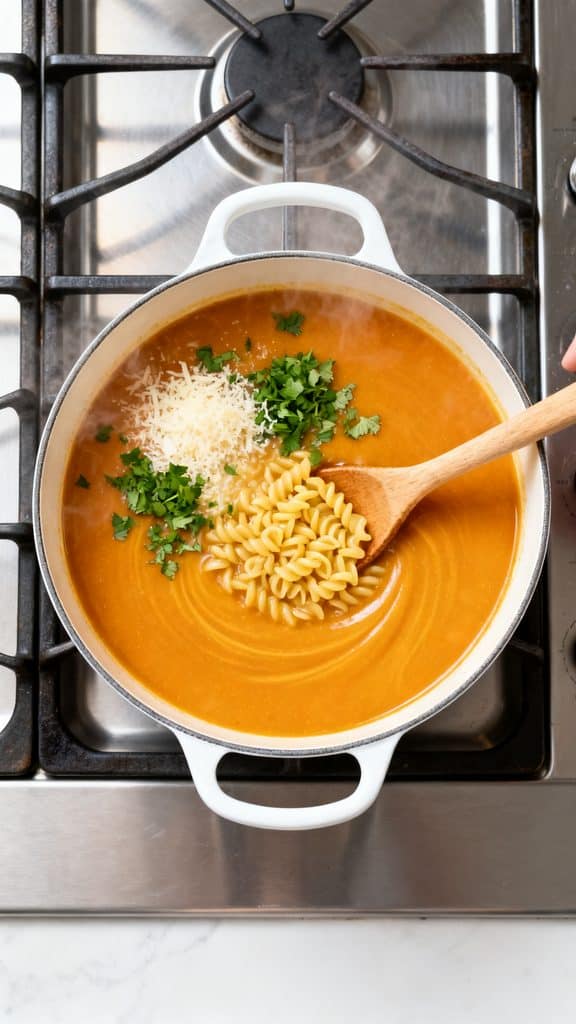
Turn the heat to low. Stir in 3/4 cup finely grated Parmesan cheese a little at a time until melted. Add 1 tablespoon fresh lemon juice and 2 tablespoons chopped fresh parsley. Taste and add more salt only if needed. If the soup gets too thick, stir in a small splash of broth or water.
Step 6: Serve
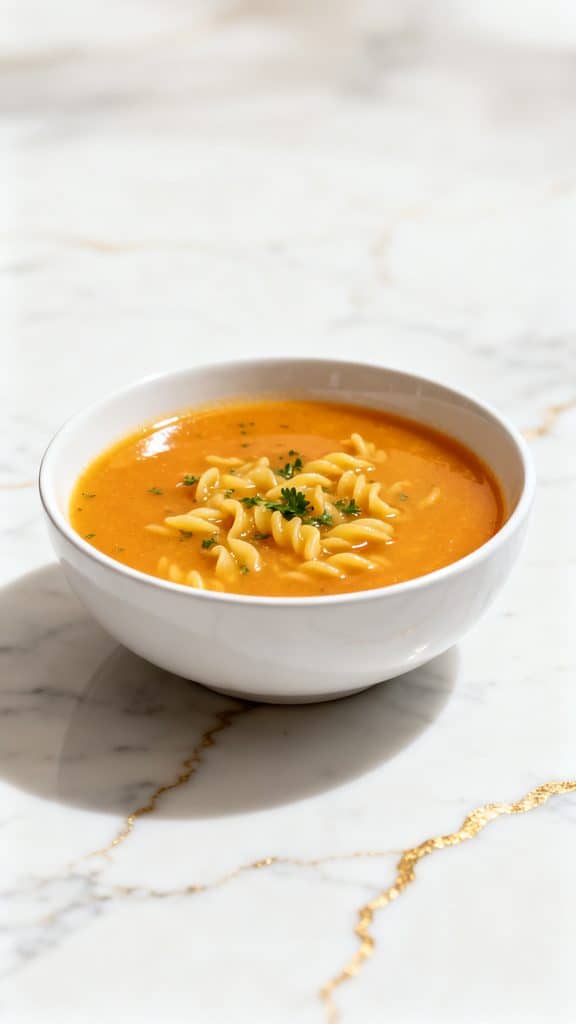
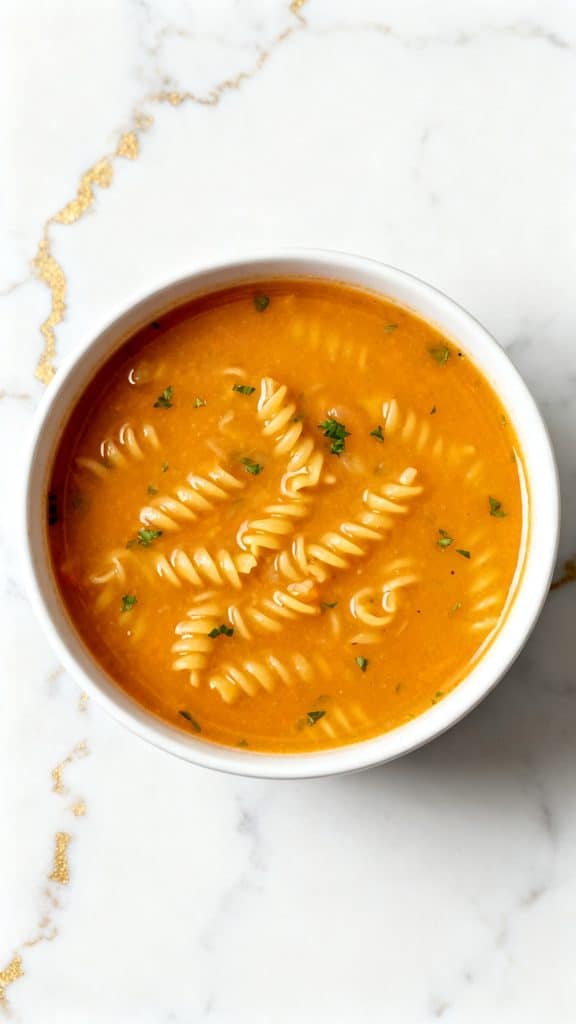
Ladle the hot soup into 6 round soup bowls, dividing it evenly. Serve right away while the pastina is tender and the broth is hot.
Why I Love This Recipe
There is something special about a pot of simple soup simmering on the stove. Italian families have long made comforting broth-and-pasta soups in many different forms. The modern nickname “Italian Penicillin” fits because this is exactly the sort of warm bowl people reach for when they want something soothing.
I love this version because the vegetables disappear into the broth instead of sitting in big chunks. The carrots give it a little sweetness, the Parmesan adds a deep savory taste, and the tiny pasta makes every spoonful feel hearty.
- It uses simple grocery-store ingredients.
- Blending the vegetables makes the broth smooth and rich.
- Pastina gives you pasta in almost every spoonful.
- Parmesan adds creaminess without heavy cream.
- Lemon wakes up all the flavors at the end.
- Everything cooks in one main pot, so cleanup is easy.
Why This Recipe Works (Quick Science)
Soft vegetables blend better. Cooking the carrots, celery, onion, and garlic until very tender lets their fibers break down. That gives you a smoother soup.
Pastina releases starch. Tiny pasta gives off starch as it cooks. That starch lightly thickens the broth and gives it more body.
Parmesan adds umami. Parmesan is rich in natural glutamates. They make the chicken broth taste deeper and more savory.
Lemon balances rich flavors. A small amount of acid makes salty, savory foods taste brighter. That is why the tablespoon of lemon juice makes such a difference.
Pro Tips
- Cut the vegetables into similar-sized pieces so they soften at about the same speed.
- Blend only after the carrots are very soft. Hard carrots can leave the soup grainy.
- Keep the immersion blender under the surface while it is running. This helps prevent hot splashes.
- Stir the pastina often. Small pasta can settle on the bottom and stick quickly.
- Add Parmesan over low heat rather than a hard boil. Gentle heat helps it melt smoothly.
Tools You’ll Need
- Large Dutch oven or heavy soup pot
- Cutting board
- Chef’s knife
- Vegetable peeler
- Wooden spoon
- Measuring cups
- Measuring spoons
- Liquid measuring pitcher
- Immersion blender
- Fine cheese grater
- Ladle
- 6 round soup bowls
Substitutions and Variations
- Pastina: Use stelline, acini di pepe, orzo, or another very small pasta. Cooking time may change.
- Chicken broth: Vegetable broth works well for a meat-free version.
- Parmesan: Pecorino Romano gives the soup a stronger and saltier flavor. Use a little less at first.
- More protein: Add shredded cooked chicken after blending the vegetables and before cooking the pasta.
- More lemon: Add another small squeeze to each bowl instead of adding lots to the whole pot.
- No immersion blender: Carefully blend the vegetable mixture in a countertop blender in batches. Never seal very hot liquid in a blender without following the blender manufacturer’s hot-liquid directions.
Common Mistakes
- Not cooking the vegetables long enough: The carrots should be very tender before blending.
- Using high heat after adding Parmesan: Boiling can make the cheese clump instead of melting smoothly.
- Walking away from the pastina: Tiny pasta needs frequent stirring.
- Adding too much salt early: Broth and Parmesan can already contain plenty of salt. Taste again at the end.
- Making it too far ahead with the pasta inside: Pastina keeps soaking up broth as it sits and can become very soft.
Make-Ahead Tips
For the best make-ahead soup, prepare the recipe through the blending step. Cool the blended broth and refrigerate it for up to 3 days.
When you are ready to eat, bring the broth to a simmer, cook the pastina in it, and then add the Parmesan, lemon, and parsley. This keeps the pasta from getting too soft.
What to Serve With Italian Penicillin Soup
- Warm crusty Italian bread
- Garlic bread
- Simple green salad
- Roasted broccoli
- Tomato and cucumber salad
- Grilled cheese or mozzarella toast
- A simple chicken cutlet for a larger meal
Macros Information
Approximate nutrition per serving, based on 6 servings:
- Calories: 330
- Protein: 14 g
- Carbohydrates: 39 g
- Fat: 13 g
- Fiber: 3 g
These are estimates. The exact numbers will change based on the chicken broth, Parmesan, pastina, and other brands you use.
Leftovers and Storage
Let leftover soup cool, then place it in an airtight container. Refrigerate it for up to 3 days.
The pastina will keep soaking up liquid in the fridge, so the soup will become much thicker. Add chicken broth or water when reheating it. Warm it gently on the stove and stir often.
For freezing, the blended broth freezes better without the pasta and Parmesan. Freeze that base for up to 3 months, thaw it in the refrigerator, and add fresh pastina and Parmesan when reheating.
FAQ
Q: What is Italian Penicillin Soup?
A: It is a nickname used for comforting Italian-style chicken soup. Versions often include chicken broth, vegetables, garlic, tiny pasta, and Parmesan. Recipes vary from family to family.
Q: What is pastina?
A: Pastina means very small pasta. You may find tiny stars, little rounds, or other miniature shapes at the store.
Q: Can I use orzo instead?
A: Yes. Orzo works, but it is larger than most pastina, so check the package and give it enough time to cook.
Q: Why did my soup get so thick?
A: Pastina absorbs broth and releases starch. The soup naturally gets thicker as it sits. Stir in more broth until it reaches the texture you like.
Q: Can I cook the pastina separately?
A: Yes. This is a great choice when you expect leftovers. Keep the cooked pasta and soup separate, then combine them in each bowl.
Q: Can I add chicken?
A: Yes. Stir in about 2 cups of cooked, shredded chicken after blending the vegetables. Let it heat through before serving.
Q: Can I leave out the Parmesan?
A: Yes. The soup will be lighter and less savory, but it will still work. Taste it at the end and adjust the salt and lemon as needed.
Final Thoughts
Italian Penicillin Soup turns a handful of simple ingredients into a warm, cozy meal. The smooth vegetable broth, tiny pasta, Parmesan, and little splash of lemon make every spoonful rich without making the recipe hard.
Make a big pot, grab some good bread, and serve it while it is steaming hot. If you make it, leave a comment with how your soup turned out, any changes you tried, and any questions you have.
